
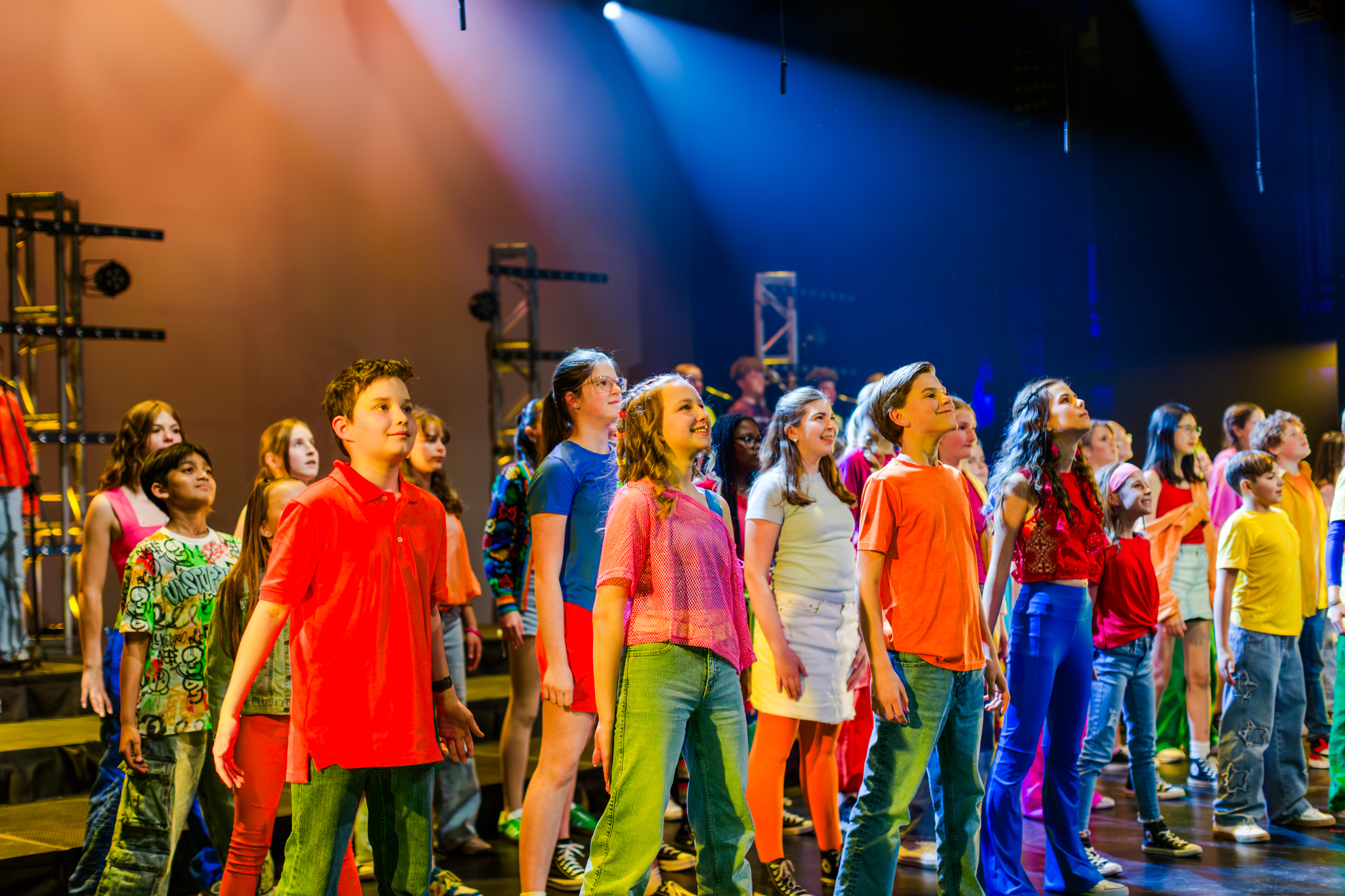
Without a well-defined artist collaboration agreement, an otherwise successful collaboration can lead to misunderstandings, hurt feelings, resentment, conflict, disputes and an unsafe space to create and rehearse. An artist collaboration agreement defines the responsibilities of the members based on an agreed upon set of criteria. All members agree to abide by these principles of collaboration.
WE WILL MAKE REHEARSAL FUN BUT FUNCTIONAL BY …
- Being able to accept feedback
- Having fun
- Interacting with each other in dances
- Listening to staff members when they are giving instructions and being quiet
- Participating with a positive attitude
- Practicing at home
- Putting in the effort
- Staying focused
- Trying our best
WE WILL BUILD MUTUAL RESPECT BY …
- Asking for consent
- Being kind and patient
- Being nice, friendly, and inclusive
- Cleaning up after ourselves
- Giving full attention to others
- Helping others when asked
- Laughing WITH others, not at them
- Listening to what others have to say without interrupting
- Respecting our own and others’ bodies, boundaries, and space
- Treating others the way we would want to be treated
WE WILL HONOUR VARYING LEVELS OF SKILL AND LEARNING STYLES BY …
- Cheering others on
- Clapping when the other teams share their dances or songs
- Complimenting others
- Creating a comfortable space for others to share
- Empowering others and ourselves
- Encouraging others to try their best
- Giving and listening to constructive feedback
- Giving compliments and using kind words
- Lifting people up
- Not bullying ever
- Not judging a book by its cover
- Not judging people based on their abilities
- Not laughing at others’ mistakes or pointing fingers
- Respecting all skill levels
WE WILL SOLVE CONFLICT OR MISCOMMUNICATION BY …
- Asking for help if needed
- Being sympathetic
- Compromising
- Giving and taking space when needed
- Going to an adult staff member
- Having a conversation and talking it out kindly and calmly
- Listening and trying to understand
- Listening to each other’s side of the story
- Saying sorry when needed
- Staying calm
THESE WORDS DESCRIBE OUR COMMUNITY WHEN WE ARE AT OUR BEST …
Amazing, awesome, behaved, caring, collaborative, colourful, compassionate, constructive, creative, empathetic, encouraging, energetic, excellent, exciting, focused, friendly, fun, functional, happy, helpful, inclusive, inspiring, integrity, inviting, joyful, kind, motivating, patient, positive leadership, productive, proud, respectful, safe, strong, talented, upbeat, welcoming!
WE ALL NEED THE KEEP THESE THINGS IN MIND
Acknowledge:
- Different learning styles and speeds
- Different backgrounds and potential barriers to success
- The variety of skill levels: singing, dancing, communicating… everything!!
- The variety of abilities and limitations
- Different boundaries and comfort levels
- Different opinions
- Uniqueness of each person
Respect:
- Yourself
- The Instructors
- The Space
- The Process
- Your peers/each other as people and performers
Values:
- Kindness and care
- Practising empathy and giving grace
- Helping and supporting others
- Commitment & hard work
- Punctuality
- Honesty
- Communication
- Patience
- Humility
- Gratitude
- Building confidence and leadership
The Learning Universe
There are 4 predominant learning styles: Visual, Auditory, Read/Write, and Kinaesthetic
Four Learning Styles
Visual Learners
Visual learners are better able to retain information when it’s presented to them in a graphic depiction, such as charts, diagrams, symbols, and more. Similar to how designers use visual hierarchy to emphasize specific design elements, visual learners thrive with clear pictures of information. Example: Sheet Music, Choreography Videos.
Auditory Learners
Sometimes referred to as “aural” learners, auditory learners prefer listening to information that is presented to them vocally. These learners work well in group settings where vocal collaboration is present and may enjoy reading aloud to themselves, too. Example: Listening to the melody or harmony sung and then copying it.
Reading & Writing Learners
Focusing on the written word, reading and writing learners succeed with written information on worksheets, presentations, and other text-heavy resources. These learners are note-takers and perform strongly when they can reference written text. Example: Writing notes about the rehearsal experience, where to breathe, vowels, etc.
Kinaesthetic Learners
Taking a physically active role, kinaesthetic learners are hands-on and thrive when engaging all of their senses during course work. These learners tend to work well in scientific studies due to the hands-on lab component of the course.
Example: Choreography rehearsals.
What is motor learning?
The process of the acquisition and/or modification of a skilled action.
Learning is a dynamic process that takes place over time and through a variety of circumstances.
Three Stages of Motor Learning
Stage 1: Cognitive
This is foundation-laying novice level where conscious effort is required. The learner can only manage one aspect at a time. There is a lot of variance in accuracy which is part of the process so feedback should be clear, simple, direct and delivered with kindness.
Stage 2: Associative
This is the stage where the student has established the action sequence and is able to refine their strategies. They can broaden their focus and respond to context and environmental factors.
Stage 3: Autonomic
At this stage, the learner has internalized the skill and is able to perform it with minimal cognitive monitoring so it is almost automatic. A student at this level is able to respond to more variables and environmental factors. Performances are mostly free of error with minimal to no feedback required. This stage requires repeated performance/practice in order to maintain autonomic levels (if you don’t use it, you lose it).